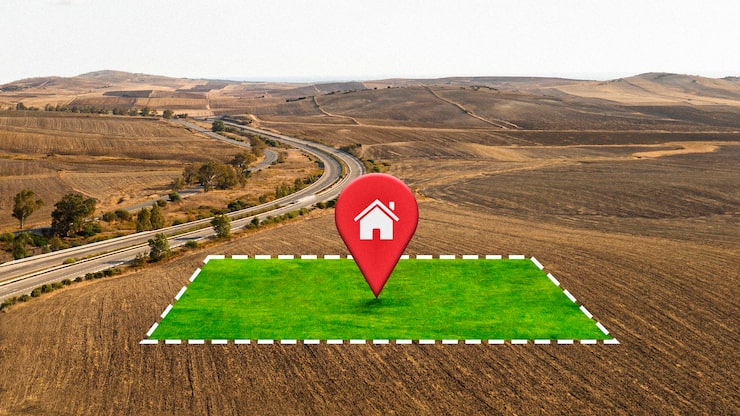
Step-by-Step Guide to Buying a New Plot or Land
Buying a plot or land is one of the smartest long term investments. It gives you full ownership, future growth, and freedom to build your dream home the way you want. But many first time buyers feel confused about documents, approvals, legal checks, or how to choose the right location.
This simple and complete guide explains every step in detail so you can buy a plot with full confidence.
Step 1: Understanding Your Purpose of Buying a Plot
Before you start searching for land, be very clear about your goal. This will help you choose the right location, size, budget, and documentation.
For Investment
If your goal is investment, choose areas with strong future growth. Look for:
- Areas near highways, airports, upcoming metro lines.
- Developing suburbs near major cities.
- Places where builders and government are planning large townships.
Investment plots grow faster when infrastructure improves.
For Building a Home
If you plan to build your home soon, check:
- Daily travel distance
- Schools and hospitals nearby
- Water, electricity, and drainage availability
- Safety and community environment
Choosing a residential zone is important for home construction.
For Future Planning
Some people buy now and build after 5 to 10 years. In this case, choose safe and legally clear locations with steady appreciation.
Step 2: Setting Your Budget and Additional Costs
Most buyers only think about the land price, but there are many extra charges. Having a clear budget helps you avoid surprises.
Land Cost
This is the base price. It depends on location, size, and demand.
Stamp Duty and Registration Charges
These are paid to the government when you register the plot in your name. Usually:
- Stamp Duty: 5 to 7 percent of the land value
- Registration: 1 percent
Rates vary by state.
Legal and Documentation Fees
You may need a real estate lawyer to verify papers.
Development Charges
If you buy in a gated plot community, you may pay:
- Road development
- Electricity lines
- Common area maintenance
Site Preparation Costs
When you build, you may need to level land, build boundary walls, or get approvals.
Plan a buffer of 10 to 15 percent above your total budget.
Step 3: Choosing the Right Location
The location of your plot is the most important factor. It decides your future returns and your daily lifestyle if you plan to live there.
Connectivity
Check how well the area is connected to:
- Main roads
- Public transport
- Key city areas
Better connectivity increases land value.
Infrastructure Development
Look for ongoing and future projects like:
- Flyovers
- Metro projects
- Business districts
- Schools and hospitals
These developments push plot prices upward.
Neighbourhood Quality
Check if the area is safe, growing, and has basic facilities.
Water and Electricity
Ensure proper water supply, power lines, and drainage. These are essential for future construction.
Types of Plots You Can Buy
There are different plot categories in India. Understanding them helps you avoid legal or usage issues.
Residential Plots
These are meant for building homes. They must be in a residential zone approved by the local development authority.
Agricultural Land
This land is used for farming. In many states, non-farmers cannot buy agricultural land. Converting it to residential use is a long process.
Commercial Plots
Used for shops, offices, and business setups. Commercial plots cost more but offer high rental returns.
Gated Community Plots
These come with internal roads, safety, and basic amenities. They are safer and offer better appreciation.
Doing Legal Verification of the Plot
This is the most important step. Never skip it.
Check the Title
Make sure the current owner has full legal rights to sell the property. The title must be:
- Clear
- Marketable
- Free from disputes
Verify Land Use
Confirm that the plot is legally allowed for residential use. Check zoning permissions with local authority.
Check Encumbrance Certificate
This certificate shows if the land has:
- Any loan
- Legal dispute
- Mortgage
- Pending dues
You should only buy plots with zero encumbrance.
Verify RERA Registration
Many plotted developments are now registered under the state RERA authority. RERA plots offer better transparency.
Check Layout Approval
If buying in a layout or gated community, ensure the plan is approved by:
- Town planning office
- Local development authority
Avoid buying plots in unapproved layouts.
Checking the Physical Condition of the Land
Once the legal check is clear, visit the land in person.
Land Shape and Size
Square or rectangular plots are better. Irregular shapes reduce usable space.
Road Width
Check if internal and connecting roads match the approved layout.
Soil and Quality
Good soil is important for strong construction. Avoid marshy or very low-lying areas.
Drainage
A plot should not collect water during rains. This can impact construction and stability.
Orientation
Many buyers check Vastu directions. If that matters to you, ensure the plot is aligned properly.
Calculating Right Plot Size and Dimensions
Choosing the right size depends on:
- Family needs
- Construction plan
- Future expansion
Most common plot sizes in India:
- 800 sq ft
- 1200 sq ft
- 1500 sq ft
- 2000 sq ft and above
Check the FSI (Floor Space Index) rules in your area to know how much you can build.
Understanding RERA and Why It Matters
RERA protects home and plot buyers.
Benefits of RERA Plots
- Full transparency
- No false promises
- On time handover of the plot
- Clear project documents
- Developer accountability
If your plot project is RERA registered, you are safer as a buyer.
Checking Developer or Seller Reputation
This is very important in plotted developments.
For Developers
Check:
- Past projects
- Delivery track record
- Customer reviews
- Transparency in pricing
- Whether they follow legal approvals
Branded developers offer safer investments.
For Individual Sellers
Verify:
- Original land documents
- Identity proof
- History of land ownership
- Past transfers
Avoid sellers who hesitate to show documents.
Understanding Developer Amenities and Features
In gated plot communities, check what features are included:
- Compound wall
- Street lights
- Water and power connection
- Underground drainage
- Internal roads
- Security gate
- Green spaces
These amenities support future home construction and improve resale value.
Negotiating the Price
Every buyer should negotiate smartly.
How to Negotiate
- Compare rates with nearby areas
- Understand the circle rate
- Check current demand
- Negotiate based on plot location, corner plot value, and facing
If buying early in a project, you may get better pricing.
Agreement to Sell and Token Amount
Once price is final, the seller prepares an Agreement to Sell. It includes:
- Plot details
- Final price
- Payment plan
- Timeline
- Legal responsibilities
Pay a small token amount after this agreement.
Final Sale Deed and Registration
This is the most important legal step.
Sale Deed
Prepared by a lawyer. It transfers ownership to you.
Stamp Duty Payment
Paid before registration.
Registration at Sub Registrar Office
After registration, the property is officially in your name.
Mutation and Updating Land Records
After buying, update the land record at the municipal office. This process is called mutation.
It updates:
- Municipal records
- Tax records
This is needed for future construction or sale.
Steps After You Buy a Plot
After purchase:
- Build a boundary wall
- Put a plot number board
- Keep all documents safe
- Maintain land tax payments
- Apply for construction approvals when needed
Conclusion
Buying a new plot or land in India is a smart decision, but it needs careful checks and planning. When you follow each step with patience, you protect your money and secure a strong investment for your future. Whether you want to build a home or only invest for growth, choosing the right location, doing legal checks, and verifying the seller will help you make a safe and confident purchase.